
"longer than Ethiopia"
1000 article(s) found

Vanishing Arabian Wild Yemeni Coffee beans
Although Ethiopia is the birthplace of Arabica, the first coffee that Europeans drank from the end of the 17th century to the beginning of the 18th century came from Yemen. At that time, all African or Arabian coffee was exported from the port of Mocha, so that Mocha became synonymous with coffee, while Harald, the capital of the city walls, became a supporting role. However, three hundred years later, Yemeni coffee is no longer what it used to be.

Arab wildness in the disappearance of Yemeni Coffee
Although Ethiopia is the birthplace of Arabica, the first coffee that Europeans drank from the end of the 17th century to the beginning of the 18th century came from Yemen. At that time, all African or Arabian coffee was exported from the port of Mocha, so that Mocha became synonymous with coffee, while Harald, the capital of the city walls, became a supporting role. However, three hundred years later, Yemeni coffee is no longer what it used to be.

Ethiopia where coffee beans are produced Brand flavor Manor production area introduction
Ethiopian coffee grows in the plateau of western Ethiopia at an altitude of 4900-5900 feet (Wollega Province), north of Jima. Most of it is wild, with an annual yield of about 500000bags/60kg. Most of the exports are G5/G4. The beans are larger and longer than Longberry. The green color is a little brown. The taste is similar to jasmine tea. It is bitter, lacks the rising hala, slightly sour, and has a slight fruit fragrance and wine fragrance.

Introduction of flavor description and taste treatment of coffee beans at altitude in Sidamo, Ethiopia
Description of the flavor of coffee beans in Sidamo, Ethiopia dry aroma: berries, tropical fruits, fermented wine, jujube, tea, milk chocolate. Wet aroma: medium sweet and sour aromas of sun berries, citrus, slightly fermented fruit, fruit wine. Palate: comfortable and interesting sour fruit, good sweetness and low thickness. Recommend the producer

Description of Taste and Flavor of Coffee in Sidamo, Ethiopia Variety introduction of Manor treatment
Description of Taste and Flavor in Sidamo Coffee producing area of Ethiopia dry aroma: berries, tropical fruits, fermented wine, jujube, tea, milk chocolate. Wet aroma: medium sweet and sour aromas of sun berries, citrus, slightly fermented fruit, fruit wine. Palate: comfortable and interesting sour fruit, good sweetness and low thickness. Recommended production method:

Description of Taste and Flavor of Coffee in Sidamo, Ethiopia Variety introduction of Manor treatment
Description of Taste and Flavor in Sidamo Coffee producing area of Ethiopia dry aroma: berries, tropical fruits, fermented wine, jujube, tea, milk chocolate. Wet aroma: medium sweet and sour aromas of sun berries, citrus, slightly fermented fruit, fruit wine. Palate: comfortable and interesting sour fruit, good sweetness and low thickness. Recommended production method:

Introduction of Grinding degree of Coffee Flavor description and treatment in Xidamo Chiso producing area of Ethiopia
Even the official research unit of Ethiopia does not know how many Arabica subspecies there are in Ethiopia. The coffee cooperatives in this mountain are certainly different from those planted in another mountain, and even small farmers in the same region grow different varieties of coffee. It has been estimated that there are at least 2000 varieties of Ethiopian coffee and even more than 4500 kinds of coffee. Compared to the southern neighbor
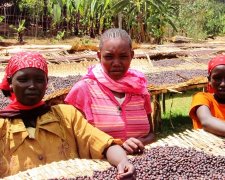
Fine coffee made from coffee beans at a high altitude in Western Ethiopia.
The term "fine coffee" was first put forward by Ms. Knudsen of the United States in Coffee and Tea magazine. At that time, Ms. Knudsen, as a coffee buyer at B.C. Ireland in San Francisco, was very dissatisfied with the neglect of the quality of raw coffee in the industry, and even some big roasters mixed a large amount of Robesda beans in the comprehensive beans, so she put forward the concept of boutique coffee.
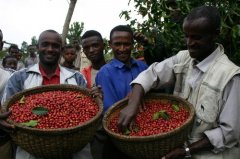
Jasmine tea, which is preferred by Ghimbi growers as a composite bean material, is fragrant and bitter
Ethiopia's coffee-producing areas are divided into east and west parts by the Great Rift Valley. Lakes, volcanoes, lowlands, plateaus and woodlands alternate and evolve independently. Ethiopia has the most diverse coffee ecosystem in the world (forest coffee, semi-forest coffee, pastoral coffee and plantation coffee), which also allows it to preserve its rich Arabica genes. The eastern half is mostly plateau, coffee beans

Yemeni Coffee-the vanishing Arab Wild
Although Ethiopia is the birthplace of Arabica, the first coffee that Europeans drank from the end of the 17th century to the beginning of the 18th century came from Yemen. At that time, all African or Arabian coffee was exported from the port of Mocha, so that Mocha became synonymous with coffee, while Harald, the capital of the city walls, became a supporting role. However, three hundred years later, Yemeni coffee is no longer what it used to be.

Introduction of Coffee Flavor description and Taste characteristics in Xidamo Chiso producing area of Ethiopia
Gima, which accounts for about 50 per cent of Ethiopia's annual output, grows between 4400 and 6000 feet above sea level in the country's southwestern highlands (the border between Kaffa and Illubabor provinces) and is usually exported to G5/G4. However, in recent years, about 10% or 20% of Gima has been used to make up for the lack of taste of coffee, but its quality has gradually declined to its own level, but for the purchase of
Ethiopian Coffee introduces Ethiopian Harald mocha coffee beans
Ethiopia Harald mocha beans (Ethiopian Harar mocha) roast taste and photo photo light roasted Harald coffee beans, brewed in a siphon coffee pot, really have a hint of citrus aroma! This Harald harar raw coffee bean looks like grade 5, irregular, long beans (longer flat beans), short flat beans, round beans, boiled beans
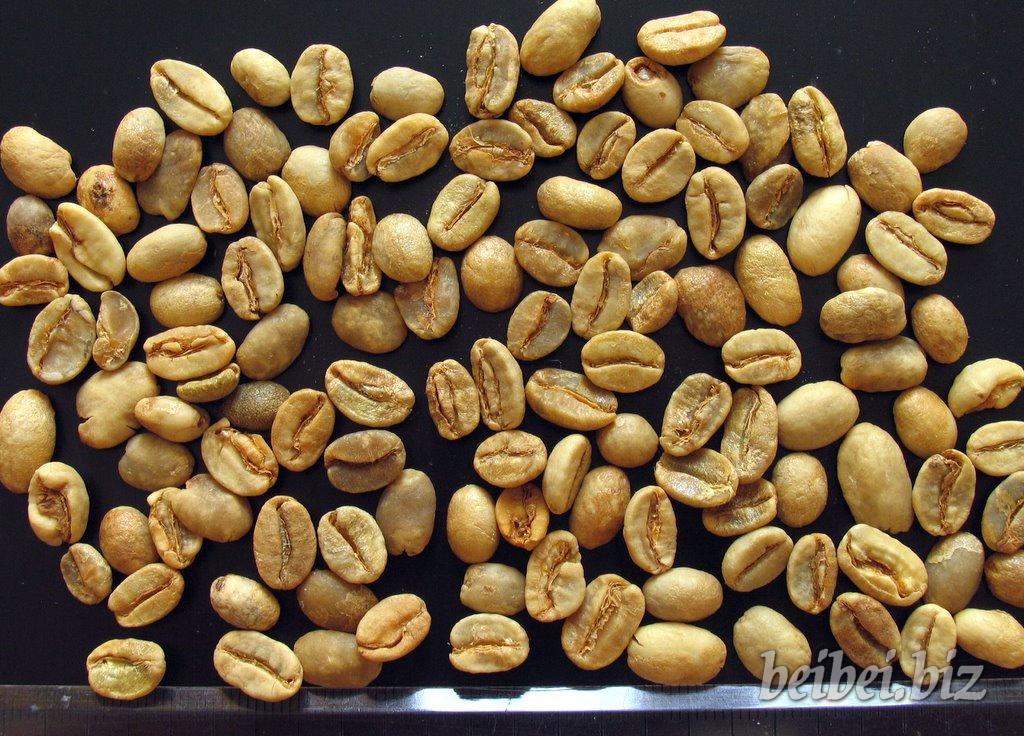
Boutique coffee beans: Ethiopian Harald mocha coffee beans (Ethiopian Harar mocha
Ethiopian Harald mocha beans (Ethiopian Harar mocha) lightly roasted Harald coffee beans, brewed in a siphon coffee pot, really have a hint of citrus aroma! This Harald harar raw coffee bean looks like grade 5, irregular, long beans (longer flat beans), short flat beans, round beans, cracked beans, mutated beans, etc.

Ethiopia Sunshine Ariga ARICHA introduction _ Yega Snow Ariga Coffee Bean Price
For more information on coffee beans, please follow the coffee workshop (Wechat official account cafe_style). The Kebel Aricha processing plant is located in the Gedeo region of southern Ethiopia, where the jurisdiction is better known by Yega Sheffei and Kochere. The treatment plant is located four kilometers west of the city of Yejasuffi, where there is a small place name Guji (

Flavor description of coffee beans in Sidamo region introduction to the taste of varieties treated by grinding scale
Description of Flavor of Coffee beans in Sidamo production area; Grinding scale method; taste introduction: Ethiopia is 4900-5900 feet above sea level (Wollega province) plateau, north of Jima, mostly wild, annual output is about 500000bags/60kg, export is mostly G5/G4, bean body is larger and longer than Longberry, brownish in green, taste similar to less jasmine tea, bitter taste, lack of rising.

Coffee Bean selection course Coffee Bean Brand species Guide washing local native species Yejia Ethiopia
With the deepening of people's contact with coffee, ordinary taste can no longer meet people's needs. As a result, more and more coffee lovers will buy their own beans and go home from the beginning of grinding, blending their favorite coffee flavor step by step. The size of coffee beans

Ethiopia coffee production area profile Ethiopia West Dharma
Harar/Sundried/Dry-Processed Harar is located in the Eastern Highlands of Ethiopia (Haredge Province) and grows at an altitude of 5,000 - 7,000 feet. It was still wild on hillsides a century ago. Most raw beans are medium in size and pointed at both ends. The color is green with yellow or gold. When baked, it has a strong chocolate smell.
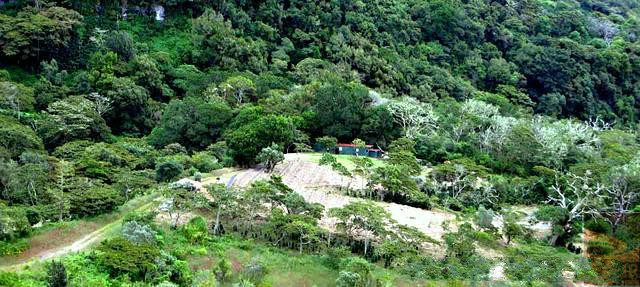
Coffee Bean Selection Tutorial Coffee Bean Brand Type Guide Ethiopia Sidamo Gujixia
As people's exposure to coffee deepens, ordinary tasting can no longer meet people's needs. As a result, more and more coffee lovers will buy their own beans home, starting with grinding, step by step to blend their favorite coffee flavor. Coffee beans are big.
What are the main producing areas of Ethiopian coffee?
The Eastern Highlands of Ethiopia (Harerge province), which grows between 5000 and 7000 feet above sea level, was still wild on slopes a century ago. Raw beans are mostly medium size and long at both ends, with yellow or golden green color, strong chocolate smell when baking, wild taste with moderate acid and rich texture, very typical mocha flavor, good Hara with jasmine flowers.

Sidamo Coffee Flavor taste the characteristics of the manor producing area Sidamo Shakiso coffee boutique coffee beans
Growing in western Ethiopia, 4900-5900 feet (Wollega province) plateau, north of Jima, mostly wild, annual output is about 500000bags/60kg, export is mostly G5/G4, bean body is larger and longer than Longberry, a little brown in green, taste similar to less jasmine tea, more bitter, lack of rising Hara, slightly sour, slightly fruity and wine aroma, but slightly inferior to Hara.